






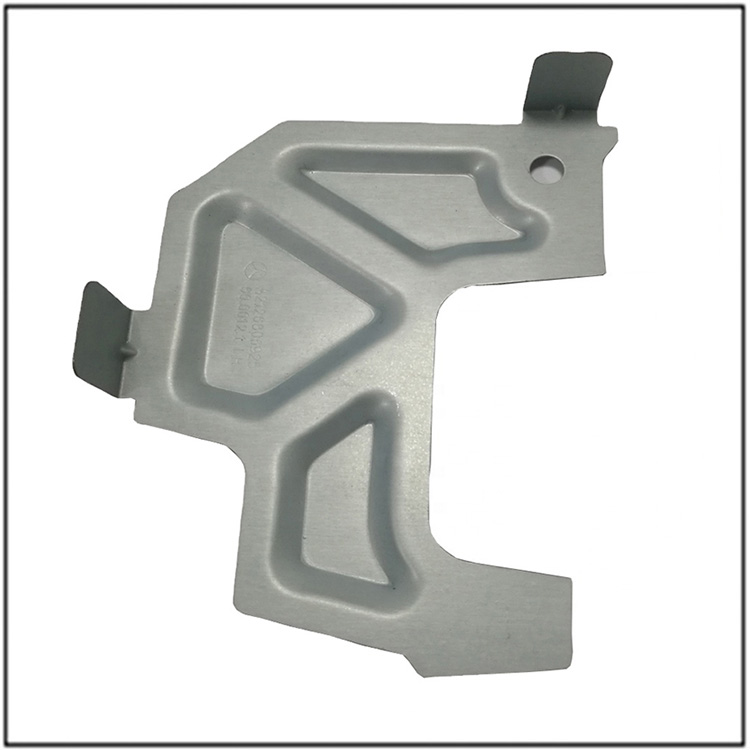
Getting better at Minimum Flange Length is less about one dramatic change and more about fixing the few variables that dominate the outcome. In metal stamping and sheet metal fabrication, minimum Flange Length sits at the center of part quality, cost and lead time, so identify and tighten the dominant variables is worth the effort before a single cut is made or a first article is approved. At its core, minimum Flange Length is about controlling the physical behaviour of material and machine as one system. Springback compensation has to be built into the die geometry because the metal never holds the exact angle you formed. Hole-to-bend and edge-distance rules prevent distorted holes and splitting, and violating them forces secondary rework. Seen this way, the stamping operation stops being a black box and becomes a set of variables you can measure and steer. When minimum Flange Length is engineered rather than defaulted, the payoff shows up in fewer rejects, a shorter cycle and a more predictable quote. Burr height control depends on punch and die clearance, sharpness of the cutting edge and correct tonnage for the gauge. The compounding effect across a production run is what makes the effort pay for itself. A good DFM conversation on minimum Flange Length catches these issues while they are still cheap to fix, which is why the drawings you send and the questions you answer matter as much as the machinery. Where metal stamping and sheet metal fabrication meets tight tolerance, cosmetic or assembly requirements, small trade-offs in design intent can save a full tool revision or a fixture redesign downstream. If you are putting minimum Flange Length into an actual part, bring your STEP or 2D drawings and target volumes to a team that runs metal stamping and sheet metal fabrication every day. You will get honest DFM feedback, a realistic lead time and a quote that reflects how the work is truly done rather than the lowest number that wins the email. That kind of upfront candour is what keeps projects on schedule once production starts.
For the full capability behind this topic, see our [stamping and sheet metal services](https://www.rainbowmold.com/list/33-stamping-parts-sheet-metal.html) page.
## What actually moves the result
When it comes to minimum Flange Length, name the binding constraint first: tolerance, cosmetics, cycle time or cost. Everything else is traded against whichever one wins.
Tonnage, blank size and bend radius are decided together, and changing one moves the other two.
A progressive die earns its cost through strip utilization and press speed, not just stroke count.
Laser nesting and bend sequencing settle most of the sheet cost before any tool exists.
## Checklist before you commit
Before the first article is signed, run these checks:
- Confirm the press tonnage curve at the real stroke, not at bottom dead center.
- Confirm minimum bend radius against the actual alloy temper arriving on site.
- Map nesting utilization, because one percent of sheet moves the part cost more than one press station.
- Validate coating coverage on inside corners before the fixture is frozen.
## Cost, lead time and repeatability
On the commercial side of minimum Flange Length, the levers are tooling strategy, process validation and the inspection plan. Laser plus press-brake economics win up to a volume crossover; dies win beyond it. Progressive dies need a maintenance schedule signed by both sides before the first strip runs. Tooling cost rises fastest with station count and tolerance class, not with press tonnage. Related capability is collected on our [deep drawing](https://www.rainbowmold.com/products/96-brass-sheet-metal-custom-stampings.html) page.
## Frequently asked questions
Q: Does deburring change the price much?
A: Hand deburring quietly multiplies labor. Specify edge-break callouts and machine-based removal where the design allows it.
Q: When should I switch from laser cutting to a progressive die?
A: Somewhere between ten and fifty thousand pieces per year depending on part size, tolerance needs and secondary operations; revisit the crossover as volumes grow.
## Next step
Send the flat pattern or the bent print and we will review die options against your real volume band. Reach us through the [contact page](https://www.rainbowmold.com/contact.html) for lead times, payment terms and NDA questions.


 Send Email
 Skype
