






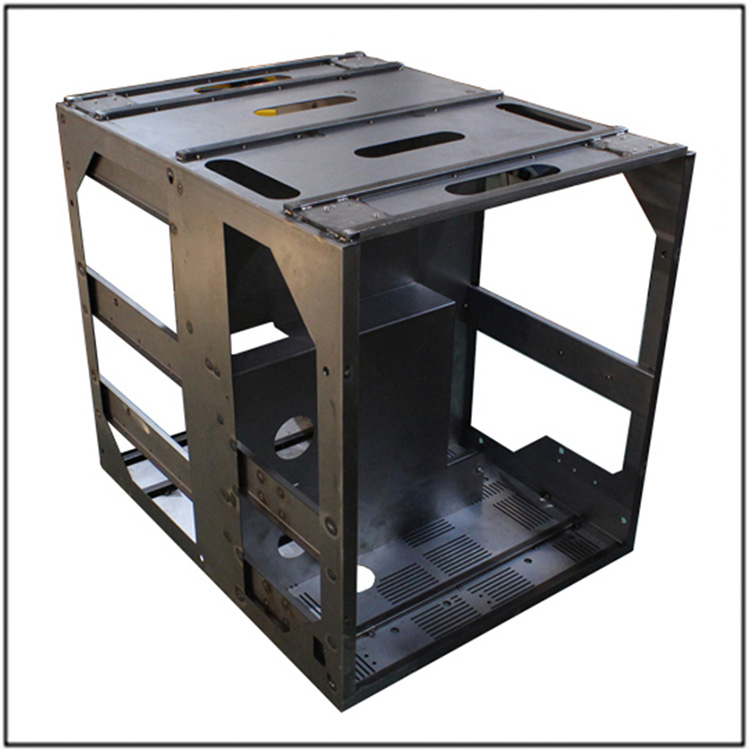
Getting better at Bend Radius Rules is less about one dramatic change and more about fixing the few variables that dominate the outcome. In metal stamping and sheet metal fabrication, bend Radius Rules sits at the center of part quality, cost and lead time, so identify and tighten the dominant variables is worth the effort before a single cut is made or a first article is approved. At its core, bend Radius Rules is about controlling the physical behaviour of material and machine as one system. Grain direction affects bend crack risk and flange quality, so nesting orientation is a real forming decision, not just a material saving. Progressive die design sequences the stations so each pierce, bend and form step is located on accurate pilot pins. Seen this way, the stamping operation stops being a black box and becomes a set of variables you can measure and steer. When bend Radius Rules is engineered rather than defaulted, the payoff shows up in fewer rejects, a shorter cycle and a more predictable quote. Deep drawing needs the right draw radius, blank holder pressure and lubrication to avoid splitting the wall or wrinkling the flange. The compounding effect across a production run is what makes the effort pay for itself. A good DFM conversation on bend Radius Rules catches these issues while they are still cheap to fix, which is why the drawings you send and the questions you answer matter as much as the machinery. Where metal stamping and sheet metal fabrication meets tight tolerance, cosmetic or assembly requirements, small trade-offs in design intent can save a full tool revision or a fixture redesign downstream. If you are putting bend Radius Rules into an actual part, bring your STEP or 2D drawings and target volumes to a team that runs metal stamping and sheet metal fabrication every day. You will get honest DFM feedback, a realistic lead time and a quote that reflects how the work is truly done rather than the lowest number that wins the email. That kind of upfront candour is what keeps projects on schedule once production starts.
For the full capability behind this topic, see our [stamping and sheet metal services](https://www.rainbowmold.com/list/33-stamping-parts-sheet-metal.html) page.
## What actually moves the result
When it comes to bend Radius Rules, name the binding constraint first: tolerance, cosmetics, cycle time or cost. Everything else is traded against whichever one wins.
Feed marks and pilot geometry protect the die more than the inspection report will.
Pierce tonnage and stripper pressure set die life on small holes more than the die block does.
Springback is a property of the bend and the alloy, not a press setting you can wish away.
## Checklist before you commit
Before the first article is signed, run these checks:
- Confirm minimum bend radius against the actual alloy temper arriving on site.
- Map nesting utilization, because one percent of sheet moves the part cost more than one press station.
- Validate coating coverage on inside corners before the fixture is frozen.
- Verify hole-to-edge distances against the flange that will form next to them.
## Cost, lead time and repeatability
On the commercial side of bend Radius Rules, the levers are tooling strategy, process validation and the inspection plan. Progressive dies need a maintenance schedule signed by both sides before the first strip runs. Tooling cost rises fastest with station count and tolerance class, not with press tonnage. Fixturing on the press often decides whether thin gauges keep their flatness. Related capability is collected on our [deep drawing](https://www.rainbowmold.com/products/96-brass-sheet-metal-custom-stampings.html) page.
## Frequently asked questions
Q: When should I switch from laser cutting to a progressive die?
A: Somewhere between ten and fifty thousand pieces per year depending on part size, tolerance needs and secondary operations; revisit the crossover as volumes grow.
Q: How should cosmetic sheet-metal parts be handled?
A: Specify film protection, dedicated tooling and handling steps in the quote; most cosmetic failures are transport and stacking damage, not forming.
## Next step
Send the flat pattern or the bent print and we will review die options against your real volume band. Reach us through the [contact page](https://www.rainbowmold.com/contact.html) for lead times, payment terms and NDA questions.


 Send Email
 Skype
