






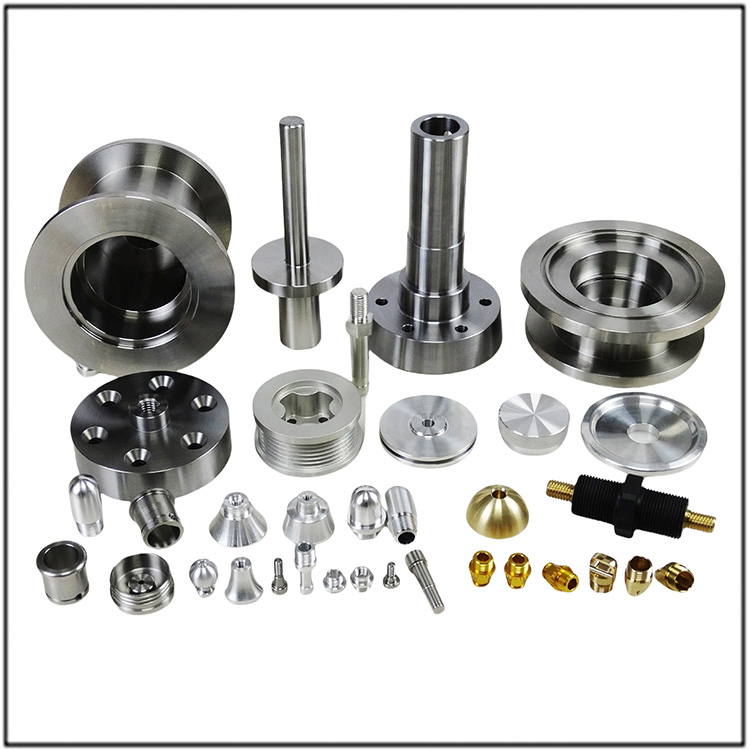
A practical, shop-floor view of Automatic Lathe Machining for teams who need it to work the first time. In CNC machining, automatic Lathe Machining sits at the center of part quality, cost and lead time, so focus on the decisions that actually move the result is worth the effort before a single cut is made or a first article is approved. At its core, automatic Lathe Machining is about controlling the physical behaviour of material and machine as one system. Rigidity of the workholding and the tool overhang govern chatter, which is what actually limits your achievable tolerance. Climb milling with a sharp tool reduces heat and work hardening on stainless and heat-resistant alloys. Seen this way, the machining setup stops being a black box and becomes a set of variables you can measure and steer. Broken into steps, automatic Lathe Machining follows a logical order that is easy to teach and hard to skip once you see the dependency between stages. Start from the requirement, work back through the constraint, and only then choose the parameter. Toolpath strategy, climb versus conventional and stepover, sets surface finish and tool load before any cutting parameter is tuned. A good DFM conversation on automatic Lathe Machining catches these issues while they are still cheap to fix, which is why the drawings you send and the questions you answer matter as much as the machinery. Where CNC machining meets tight tolerance, cosmetic or assembly requirements, small trade-offs in design intent can save a full tool revision or a fixture redesign downstream. If you are putting automatic Lathe Machining into an actual part, bring your STEP or 2D drawings and target volumes to a team that runs CNC machining every day. You will get honest DFM feedback, a realistic lead time and a quote that reflects how the work is truly done rather than the lowest number that wins the email. That kind of upfront candour is what keeps projects on schedule once production starts.
For the full capability behind this topic, see our [CNC machining services](https://www.rainbowmold.com/list/34-cnc-machining-parts.html) page.
## What actually moves the result
When it comes to automatic Lathe Machining, name the binding constraint first: tolerance, cosmetics, cycle time or cost. Everything else is traded against whichever one wins.
Work-holding design is the real first machine, whether that is a vise, a custom fixture or a tombstone.
Five-axis positioning removes re-fixturing datum error along with the queue that follows it.
Thread forming versus thread cutting changes wall strength and tool budget at the same time.
## Checklist before you commit
Before the first article is signed, run these checks:
- Check that the CMM setup can reach the datum features as machined.
- Check the tool list for reach and clearance before the post processor runs.
- Validate coolant through-spindle settings for every deep hole operation.
- Verify the datum scheme and the fixture strategy against the inspection plan.
## Cost, lead time and repeatability
On the commercial side of automatic Lathe Machining, the levers are tooling strategy, process validation and the inspection plan. Swiss-lathe economics beat milling for small turned parts beyond modest volumes. Post-process programming reviews catch collisions cheaper than the shop floor does. Prototypes run per-piece pricing; production follows a documented process with amortized fixturing. Related capability is collected on our [5 axis machining](https://www.rainbowmold.com/products/101-cnc-machining-service-hydraulic-metal-brake.html) page.
## Frequently asked questions
Q: Why does my aluminum part arrive out of flat?
A: Thin walls, unstressed stock and clamp distortion. Stress-relieve the blank and machine the reference faces last.
Q: When does a Swiss lathe beat a machining center?
A: For small, slender turned parts beyond modest volumes, especially with live tooling; the per-piece rate falls sharply once bar feeding starts.
## Next step
Share the model and the function of each tight feature so we can choose holding and sequence, not just a machine. Reach us through the [contact page](https://www.rainbowmold.com/contact.html) for lead times, payment terms and NDA questions.


 Send Email
 Skype
