






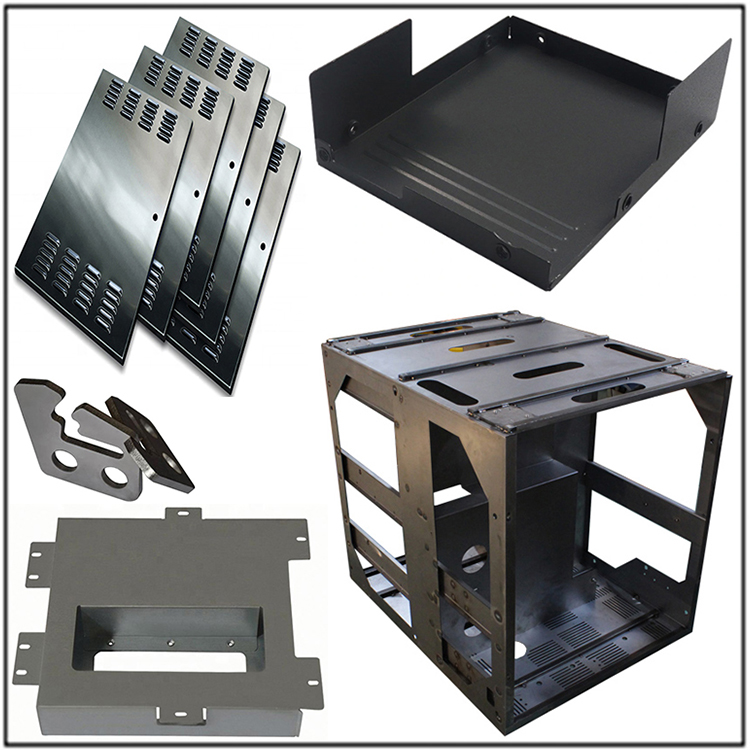
A practical, shop-floor view of Springback Compensation for teams who need it to work the first time. In metal stamping and sheet metal fabrication, springback Compensation sits at the center of part quality, cost and lead time, so focus on the decisions that actually move the result is worth the effort before a single cut is made or a first article is approved. At its core, springback Compensation is about controlling the physical behaviour of material and machine as one system. Deep drawing needs the right draw radius, blank holder pressure and lubrication to avoid splitting the wall or wrinkling the flange. Bend radius and the K-factor used in flat-pattern development determine whether holes and slots land in position or migrate out of tolerance. Seen this way, the stamping operation stops being a black box and becomes a set of variables you can measure and steer. Broken into steps, springback Compensation follows a logical order that is easy to teach and hard to skip once you see the dependency between stages. Start from the requirement, work back through the constraint, and only then choose the parameter. Progressive die design sequences the stations so each pierce, bend and form step is located on accurate pilot pins. A good DFM conversation on springback Compensation catches these issues while they are still cheap to fix, which is why the drawings you send and the questions you answer matter as much as the machinery. Where metal stamping and sheet metal fabrication meets tight tolerance, cosmetic or assembly requirements, small trade-offs in design intent can save a full tool revision or a fixture redesign downstream. If you are putting springback Compensation into an actual part, bring your STEP or 2D drawings and target volumes to a team that runs metal stamping and sheet metal fabrication every day. You will get honest DFM feedback, a realistic lead time and a quote that reflects how the work is truly done rather than the lowest number that wins the email. That kind of upfront candour is what keeps projects on schedule once production starts.
For the full capability behind this topic, see our [stamping and sheet metal services](https://www.rainbowmold.com/list/33-stamping-parts-sheet-metal.html) page.
## What actually moves the result
When it comes to springback Compensation, name the binding constraint first: tolerance, cosmetics, cycle time or cost. Everything else is traded against whichever one wins.
Tonnage, blank size and bend radius are decided together, and changing one moves the other two.
A progressive die earns its cost through strip utilization and press speed, not just stroke count.
Laser nesting and bend sequencing settle most of the sheet cost before any tool exists.
## Checklist before you commit
Before the first article is signed, run these checks:
- Verify hole-to-edge distances against the flange that will form next to them.
- Agree deburring method, edge-break spec and cosmetic criteria in one line.
- Check that the grain direction callout survives the real coil batch.
- Check developed length against the bend-allowance table before the first sample.
## Cost, lead time and repeatability
On the commercial side of springback Compensation, the levers are tooling strategy, process validation and the inspection plan. Material utilization on the nest is the largest hidden cost lever on the quote. Strip-feeding automation earns its keep once annual volume crosses the die amortization line. Coating days and dollars should be counted on the critical path, not in a footnote. Related capability is collected on our [deep drawing](https://www.rainbowmold.com/deep-drawing-services/) page.
## Frequently asked questions
Q: What drives springback the most?
A: Alloy grade and bend angle dominate. Air bending keeps it as a variable; a bottoming or coining station reduces it at the cost of die life.
Q: What kills die life fastest?
A: Dry punching of coated stock, wrong clearances on stainless, and skipping the scheduled grind of punch faces. Maintenance windows are cheap insurance.
## Next step
Send the flat pattern or the bent print and we will review die options against your real volume band. Reach us through the [contact page](https://www.rainbowmold.com/contact.html) for lead times, payment terms and NDA questions.


 Send Email
 Skype
